Home care restraint straps
PSNOOK Padded Wrist and Ankle Restraint Straps
A 4-piece padded wrist and ankle restraint strap set for caregivers who need soft contact padding, adjustable hook-and-loop fit, long attachment straps, and secure metal buckle hardware for supervised home care or nursing care routines.
The PSNOOK Padded Wrist and Ankle Restraint Straps provide a comfortable padded cuff, adjustable fit, clear size information, and a simple fastening design for supervised home care routines.
- Official PSNOOK® product guide
- Amazon checkout, shipping, and return details
- Product support at support@psnook.com
Key Product Advantages
Construction, fit, setup, and use details that explain how this product works in daily care.
Soft padded cuffs
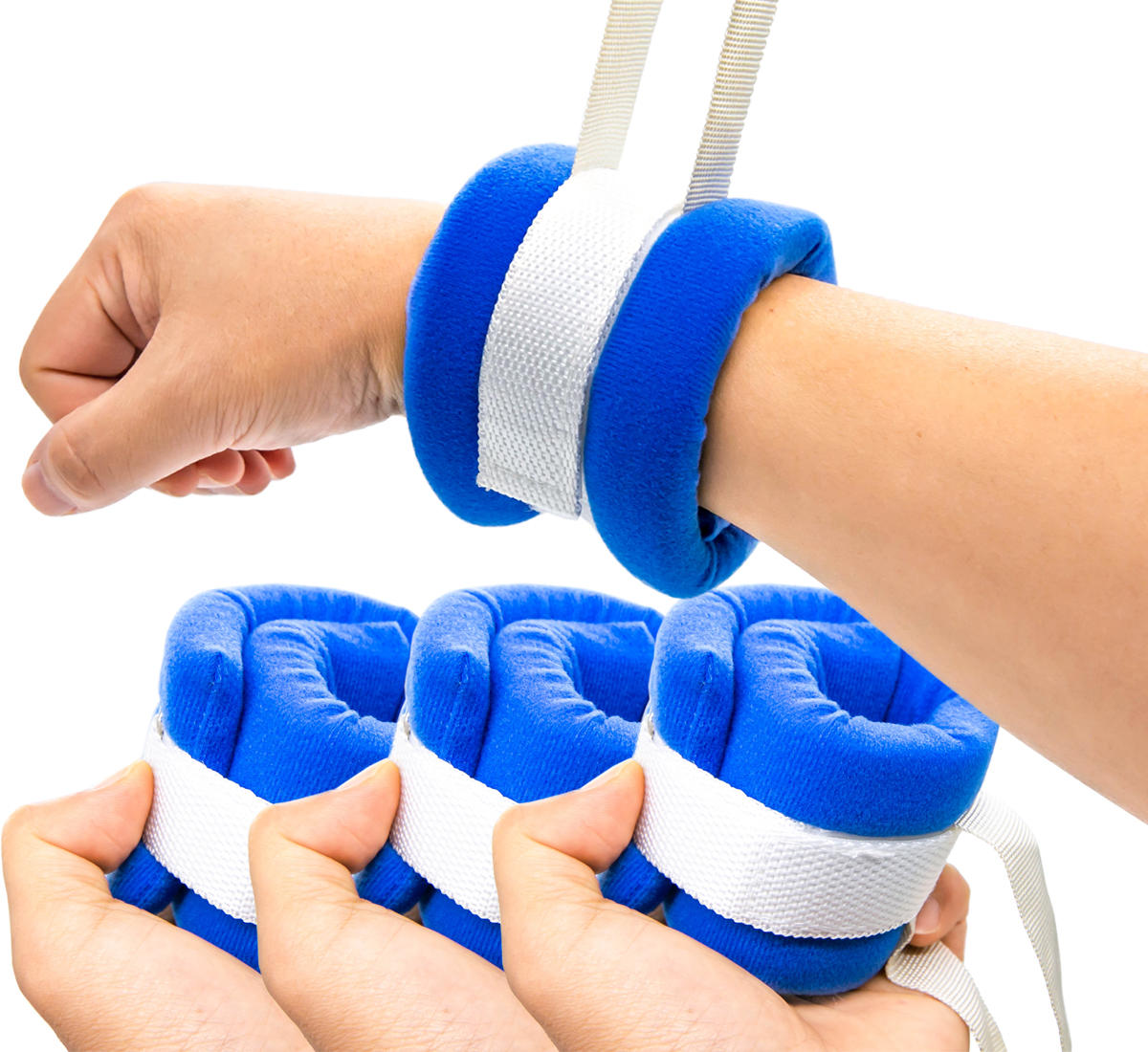
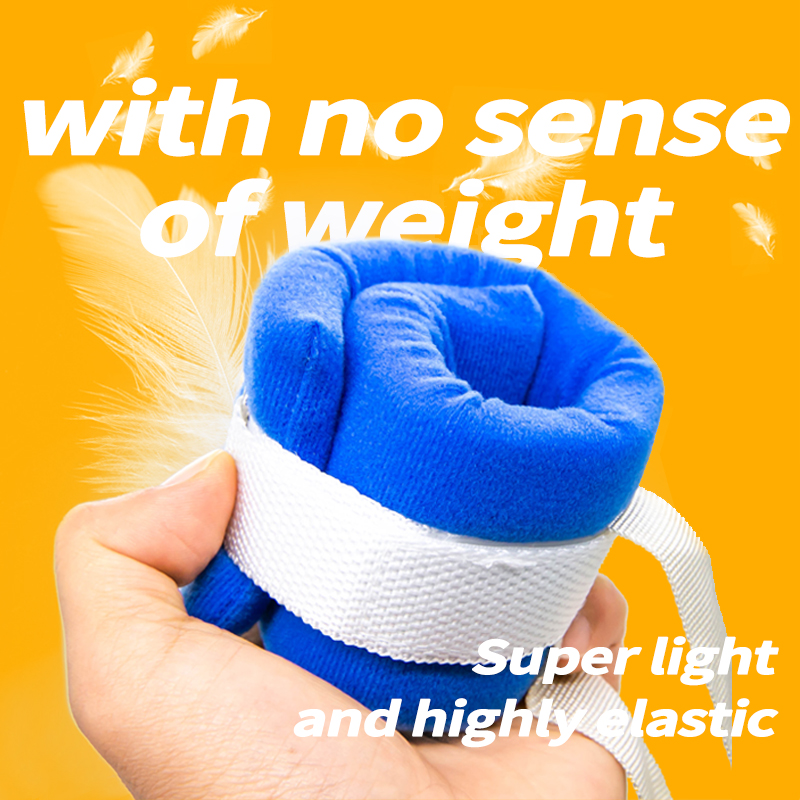
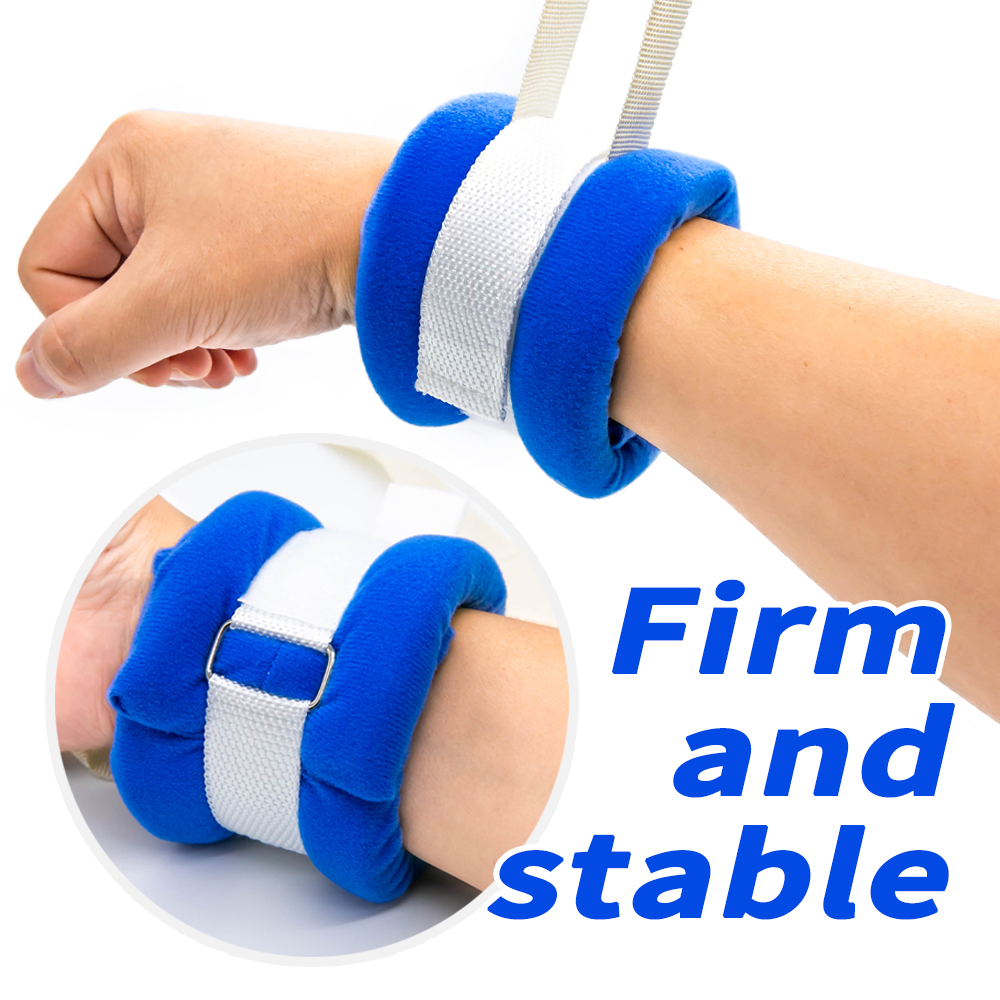
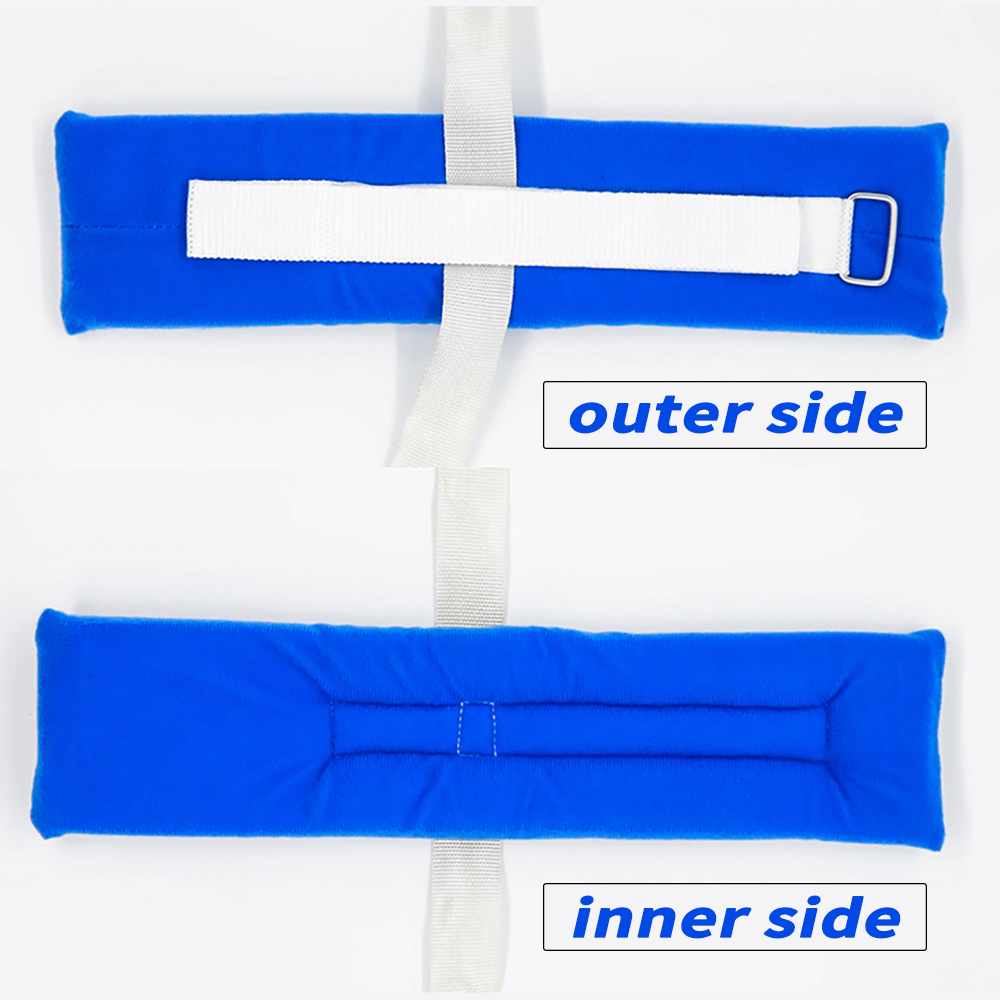
The blue sponge cuff wraps around the wrist or ankle with a cushioned contact surface.
Padding helps the product feel more comfortable than thin strap-only restraints.
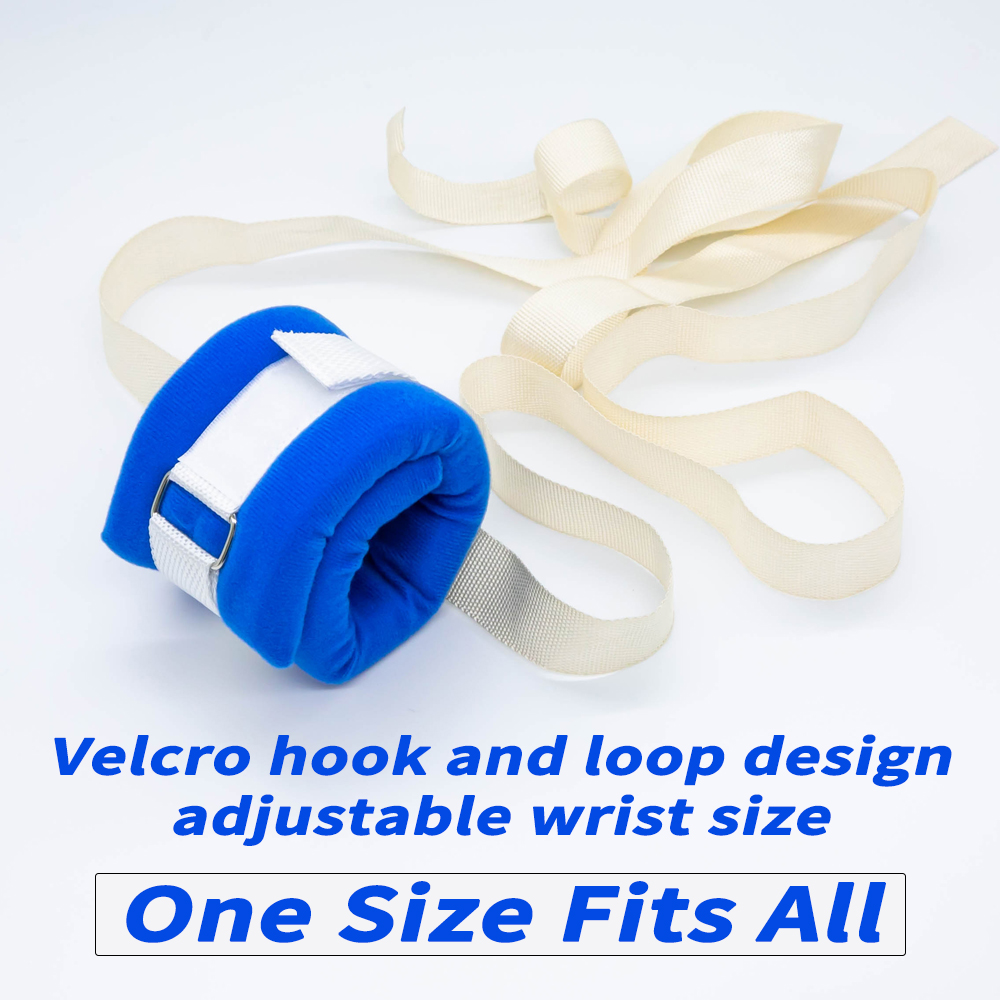
Adjustable hook-and-loop closure
The white closure strap lets caregivers open, position, tighten, and release the cuff without complicated hardware.
The adjustable fit makes setup faster when different wrist or ankle sizes need to be accommodated.
Long nylon attachment straps
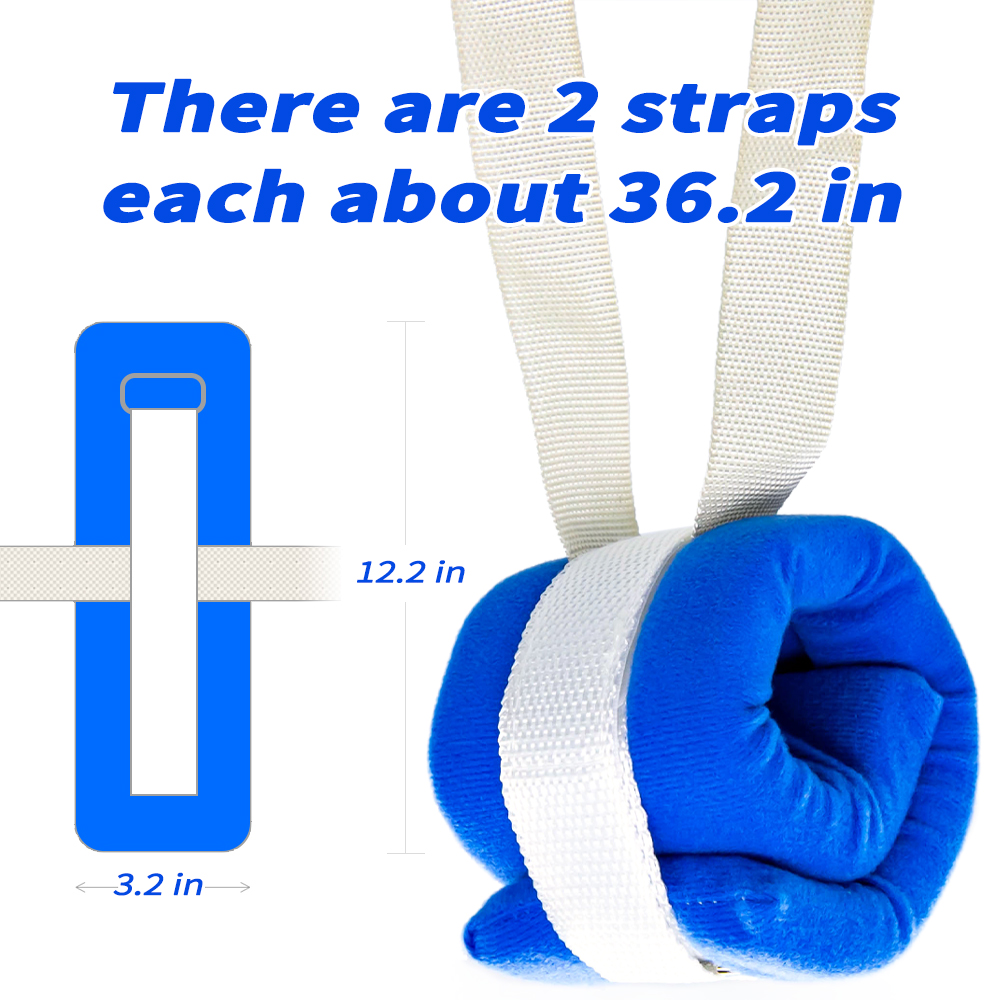
Each restraint uses two long straps, and each strap is approximately 36.2 inches long.
Longer straps give caregivers more routing room around a suitable bed, chair, or fixture.
Metal buckle hardware
The strap routes through metal buckle hardware on the cuff.
A firm buckle point helps keep the restraint stable after the attachment path is set.
Built for Everyday Home Care
The PSNOOK Padded Wrist and Ankle Restraint Straps provide a comfortable padded cuff, adjustable fit, clear size information, and a simple fastening design for supervised home care routines.
This guide organizes the core product facts in clear language so families and caregivers can review fit, setup, material, care, and buying details before purchase.
- Includes 4 padded restraint straps for wrist or ankle positioning support.
- Soft sponge cuffs create a cushioned contact surface for regular care routines.
- Hook-and-loop closure helps caregivers adjust the cuff fit quickly and securely.
- Each restraint includes long nylon straps for attaching to a suitable bed, chair, or care fixture.
- Metal buckle hardware and reinforced strap routing help keep the setup firm and stable.
Best Fit and Limits
Use these notes to decide whether this product matches the intended care routine before purchase.
Best fit
- Home care support: Supports home care routines where families need padded wrist or ankle positioning support.
- Elderly care: A practical option for elderly care setups that call for soft cuffs, adjustable closure, and secure attachment straps.
- Dementia care routines: Can be considered for dementia care situations where a caregiver needs a padded, adjustable restraint product and has an appropriate care plan.
- Hospital bed or nursing care: The long straps and padded cuffs make the product easy to compare for hospital bed, nursing care, or assisted-care environments.
Check carefully
- Care routines where the intended user needs a different cuff size than the 12.2 by 3.2 inch padded cuff can provide.
- Setups where the available bed, chair, or fixture does not provide a stable and reachable attachment route.
- Situations where a caregiver cannot keep the cuff, strap tension, and release point under regular supervision.
- Users who need a product selected under a facility policy or professional care plan that requires a different restraint style.
Measure Before Buying
Confirm the user, product size, and setup path before opening the purchase page.
- Measure the intended wrist or ankle area and compare it with the 12.2 by 3.2 inch cuff pad.
- Check whether one 4-piece set matches the planned wrist, ankle, or mixed wrist-and-ankle use.
- Measure the route from the cuff to the bed, chair, or fixture and allow room for two 36.2 inch attachment straps.
- Check that the attachment route keeps the buckle and hook-and-loop release area easy for the caregiver to reach.
- Review whether the padded cuff can sit flat over skin or clothing without twisting around the wrist or ankle.
Setup Decision Checks
Quick checks that help prevent poor fit, awkward routing, and uncomfortable everyday use.
Common setup mistakes
- Using the product without comparing the cuff size to the intended user's wrist or ankle.
- Letting the strap twist before fastening it to the bed, chair, or fixture.
- Fastening the cuff so tightly that it leaves marks or causes discomfort.
- Routing the attachment straps around a weak, sharp, moving, or inconvenient attachment point.
After setup checks
- Check that the sponge padding sits flat against skin or clothing and that the cuff is not folded, twisted, or bunched.
- Confirm the hook-and-loop closure holds securely while still leaving comfortable circulation room around the wrist or ankle.
- Make sure both long nylon straps follow a clean route and the metal buckle area stays stable after light tension is applied.
- Keep the release point visible and reachable for the caregiver throughout the care routine.
For full setup details, read the installation & use guide.
Product Image Details
Each image highlights a product detail, setup view, size reference, or construction note.
Fit and Compatibility Facts
Use these checks to confirm size, setup, attachment, and everyday care fit before purchase.
- Fits wrist or ankle positioning needs where a padded cuff and long attachment straps are appropriate.
- Works best with a stable bed, chair, or fixture that lets the straps route cleanly.
- The hook-and-loop cuff is adjustable, but the 12.2 by 3.2 inch pad size should still be checked against the intended user.
- The 4-piece set is useful when caregivers need matching restraints for more than one limb or a backup pair for care rotation.
- Caregivers should keep the release point easy to reach during use.
Before You Buy
A short checklist for fit, setup, comfort, care routine, and current purchase details.
- Confirm whether you need a 4-piece set for wrists, ankles, or mixed wrist-and-ankle use.
- Compare the 12.2 by 3.2 inch cuff size with the intended user's wrist or ankle area.
- Check that the bed, chair, or fixture has a suitable attachment point for the long straps.
- Make sure the padded cuff can sit flat without twisting before fastening.
- Check current price, delivery, return options, and buyer feedback before ordering.
Related Care Guides
Problem-focused guides that help families connect real care situations with product fit and use checks.
Restraints for Dementia Patients at Home: What Families Should Check First
Families considering restraints for dementia patients at home should review triggers, supervision, comfort, release access, and less restrictive options first.
GuideWhen a Dementia Patient Keeps Pulling at Tubes or Devices: Caregiver Checks
If a dementia patient keeps pulling at tubes or devices, review discomfort, device placement, supervision, care instructions, and safer care options.
GuideBest Restraints for Elderly Care? Fit, Comfort, and Supervision Checks
The best restraints for elderly care depend on fit, padded comfort, supervision, release access, attachment route, and the caregiver's routine.
GuideDementia Patient Will Not Stay in Bed: Home Care Checks
If a dementia patient will not stay in bed, review discomfort, nighttime routine, supervision, environment, less restrictive options, and care guidance.
GuideSoft Restraints for Elderly Care: Padding, Fit, and Supervision Checks
Soft restraints for elderly care should be compared by padding, cuff fit, closure, release access, supervision, and regular comfort checks.
GuidePadded Wrist Restraints: What Caregivers Should Check
Padded wrist restraints should be checked by cuff size, padding contact, hook-and-loop closure, attachment route, supervision, and release access.
GuideAnkle Restraint Straps: Fit, Route, and Comfort Checks
Ankle restraint straps should be checked for cuff placement, padded contact, movement, attachment route, release access, and supervised care use.
GuideHome Care Restraint Straps: Bed, Chair, and Fixture Checks
Home care restraint straps need a stable bed, chair, or fixture route with no sharp edges, moving parts, blocked release points, or weak attachments.
GuideAre Restraints Safe for Dementia Patients at Home? Questions to Ask
Families asking whether restraints are safe for dementia patients at home should review supervision, comfort, release access, triggers, and care guidance.
GuidePadded Restraints vs Regular Restraint Straps: What to Compare
Compare padded restraints and regular restraint straps by contact surface, cuff fit, adjustment, strap routing, inspection, and comfort rechecks.
Complete Product Guides
Use these pages to compare sizing, materials, compatibility, installation, use guidance, care, and common questions.
Installation & Use Guide
Setup steps, fit checks, comfort checks, use guidance, and daily inspection.
GuideBuying Guide
How to choose this type of home care product by fit, use case, and details.
AnswersFAQ
Common questions about material, sizing, compatibility, setup, and use.
FitCompatibility
Fit guidance for intended users, home settings, and product setup.
BuildMaterials
Material, construction, buckle, stitching, and product build details.
SizeSizing
Size facts, measurement checks, and fit guidance before purchase.
CareCare
Cleaning, inspection, routine care, and maintenance checks.
Ready to choose the PSNOOK Padded Wrist and Ankle Restraint Straps?
Check current price, shipping, availability, and order options when you are ready to purchase.